Equilibrium Scientific, home

Lab data & LIMS

Results move from instrument to COA without retyping.

We configure, integrate or replace your LIMS, build the pipelines that turn instrument exports into validation statistics, and generate the certificate of analysis each state requires. The software is written by a scientist who has worked the bench.

Free, 30 minutes, with the people who do the work. No pitch deck.

The problemIn the lab’s own words

The data exists. People are carrying it by hand.

Between the instrument and the signed COA, results get exported, pasted, recalculated and retyped. Every copy is a chance for a transcription error and a gap in the audit trail. The fix is software that carries the result, and a record of everyone who touched it.

  • “Every validation report means a day of copying peak areas out of the instrument software into spreadsheets.”

  • “Our LIMS can’t produce the COA the state wants, so someone retypes every result.”

  • “The state changed its COA rules, and our LIMS vendor quoted months to catch up.”

  • “When the assessor asks who approved a result, we open three systems and a binder.”

What we doLab data & LIMS

From the instrument export to the signed certificate.

Start with the LIMS you have. Most retyping comes from missing connections and templates, not a bad system. When replacement is the answer, we’ll say so and show why.

LIMS evaluation, configuration, integration and replacement

We map how samples, results and approvals actually move, configure what your LIMS can already do, connect the instruments it can’t see, and write the requirements for a replacement when it can’t be saved.

Evaluation · Configuration · Integration · Replacement

Validation data pipelines

Instrument exports in; accuracy, precision, linearity and detection limits out, formatted for the validation report. No peak areas copied by hand.

LC-MS · GC-MS · ICP-MS

COA generation per jurisdiction

One source of results and a template per state: required analytes, units, limits and pass/fail logic, rendered the same way every time. You enter each result once, and the certificate comes from a template you own and can edit, not one locked inside a vendor’s app.

Editable templates · Per-state rules

Audit trails

Who ran the sample, on which instrument, from which file, who reviewed it and when, recorded as the work happens instead of reconstructed the week before an audit.

Attribution · Instrument files · Review and approval
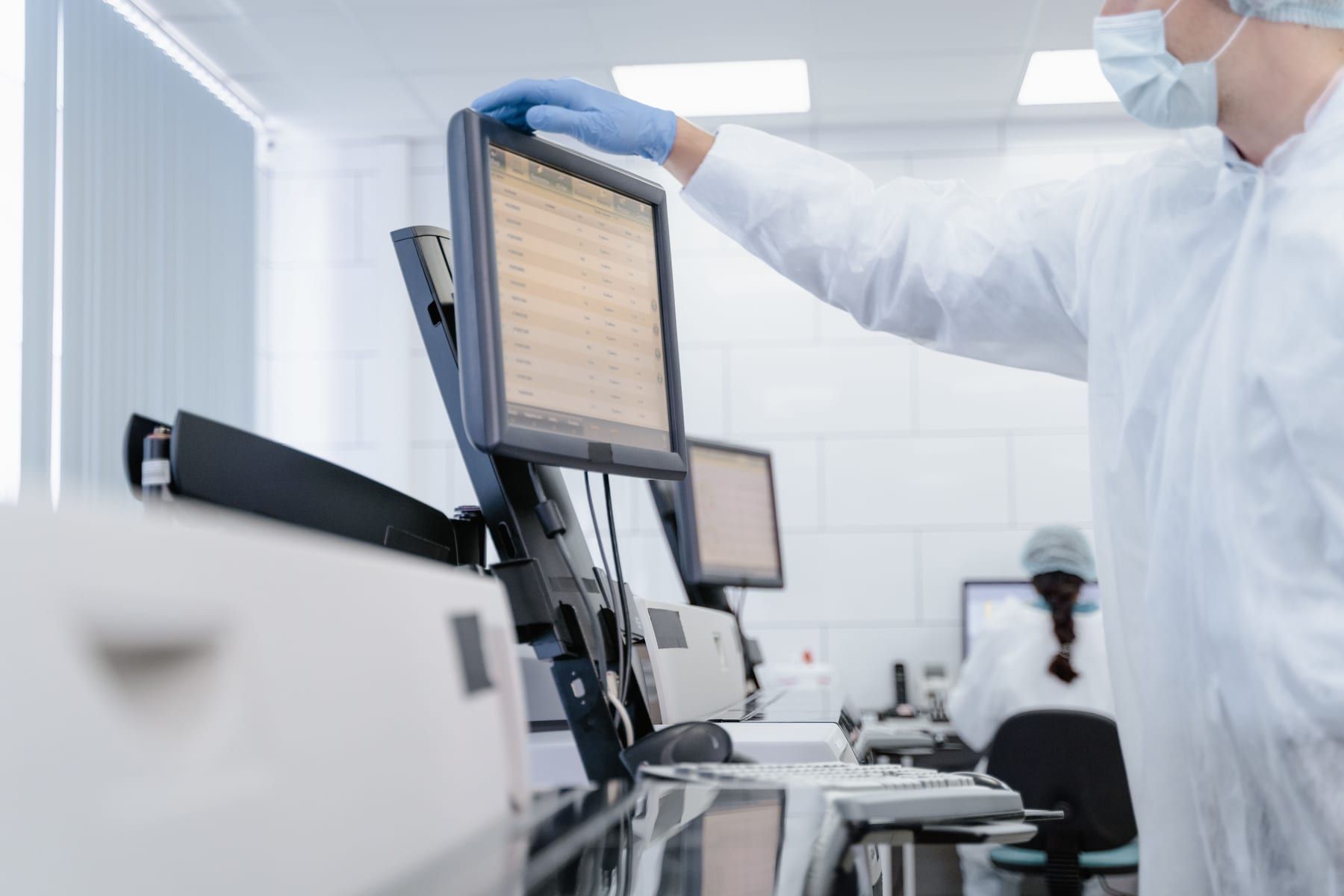
An analyst in a gown and gloves checks a results table on a screen mounted beside the instrument.
Photo: Tima Miroshnichenko / Pexels
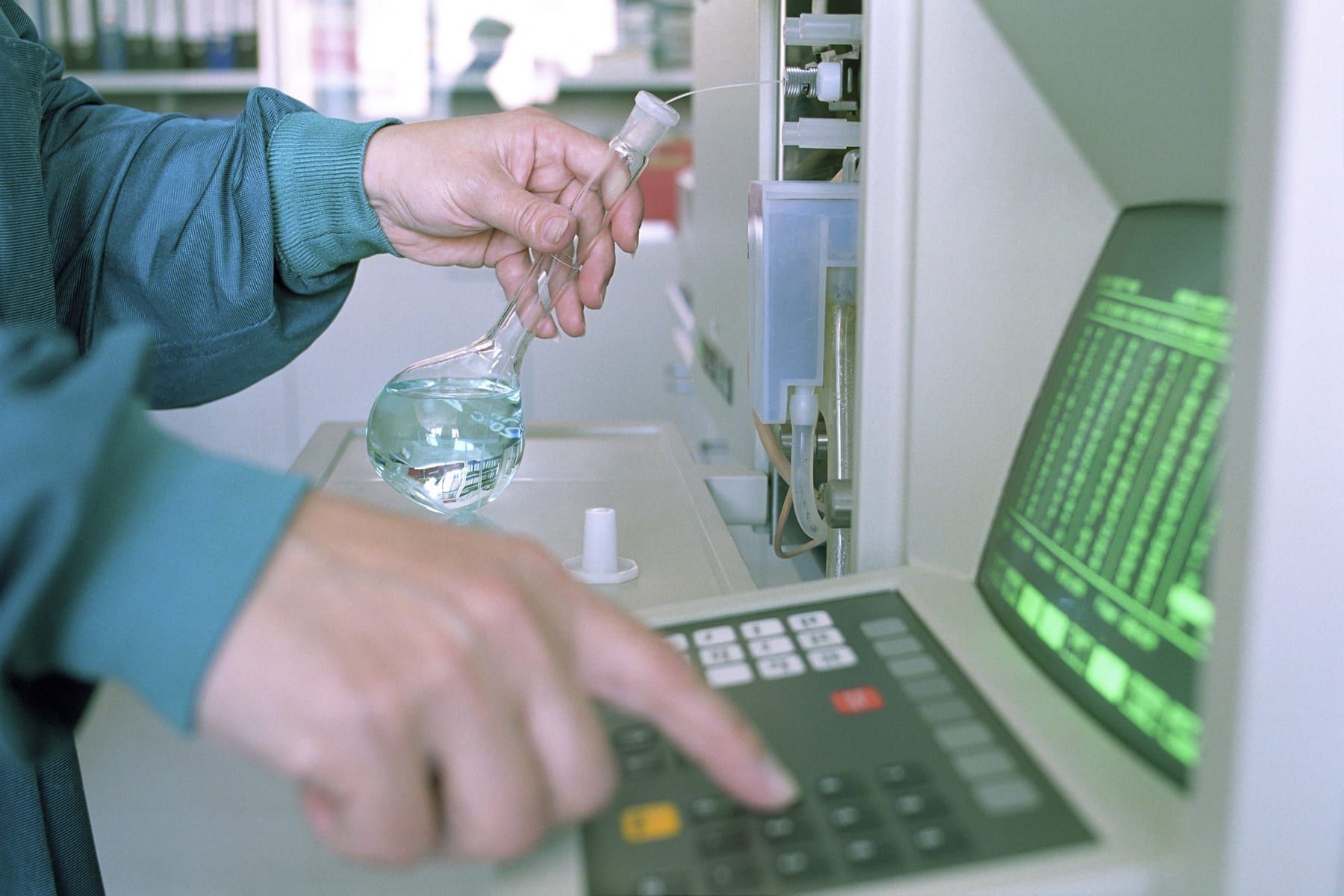
An analyst holds a flask and keys a command into an instrument panel with a green readout.
Photo: Yuri Shkoda / Pexels

How it worksFrom the first call to go-live

Map it, fix it, prove it against your own results.

Nothing goes live until it reproduces what you’ve already reported.

  1. Trace one sample

    From login to signed COA, we write down every export, paste, calculation and signature along the way.

  2. Choose the fix

    Configure, integrate, build or replace. You get the options with their cost and risk before anything is built.

  3. Build and check

    The pipeline or integration runs against batches you’ve already reported, and every difference is explained before go-live.

  4. Hand it over

    Documentation and training, so your team runs it without us. A change in state rules becomes a template edit, not a project.

Try itSample data

Read a certificate of analysis, line by line.

Every line on a COA traces back to an instrument result, a limit and a signature. The explorer walks through a sample certificate; on the call, we walk through yours.

Certificate of analysis · sample12 notes

A fictional flower certificate, explained in 12 notes: ND against <LOQ, the 0.877 arithmetic, and limits that change at the state line.

Open the COA explorer →

QuestionsBefore you book

Questions lab directors ask

Do we have to replace our LIMS?

Usually not. Most of the retyping we see comes from missing instrument connections and COA templates, not a bad LIMS. When replacement is the answer, we write the requirements from your real workflow and compare vendors against them.

Which LIMS do you work with?

We start from the one you run. The work is in the data flow around it: instrument exports, calculations, approvals and the COA. If it can’t do what your state requires, we’ll tell you plainly.

Where does our data live?

In your systems. We build pipelines and templates to run where your data already lives, and we don’t keep copies of client results after the work ends.

How do you know a new pipeline is right?

We run batches you’ve already reported through it and compare every number with what went out on the COA. Differences are explained and fixed before anything goes live.

Can the COA follow each state’s format?

Yes. Each jurisdiction gets its own template: required analytes, units, action limits, pass/fail logic and signature blocks. One set of results feeds all of them, so a rule change means editing a template, not retyping reports.

Start with one problem

How many times is each result typed before it reaches the COA?

If the answer is more than zero, bring one sample’s path to a 30-minute call. We’ll show you where the copies can go.