Equilibrium Scientific, home

Services

What we fix, from the instrument to the audit.

Equilibrium Scientific works on the technology under analytical testing labs: the instruments and methods, the data and the LIMS, and the accreditation work they feed. New labs get the same work end to end, in order.

The offersThree headline offers, and a second path for new labs

Start with the layer that hurts. We’ll follow it through the rest.

A drifting check standard becomes a failed validation, then a finding in the audit. Each offer stands alone, and each one looks upstream and downstream of the problem you called about.

01 · The instrument

Instruments & methods

Methods that validate the first time. Instruments that stay in control.

Explore instruments & methods
  • Troubleshooting drift, carryover, poor recovery and matrix effects on GC-FID, GC-MS, HPLC, LC-MS/MS and ICP-MS.
  • Method development and transfer for potency, terpenes, residual solvents, pesticides, mycotoxins and heavy metals, in your matrices.
  • Method validation: the plan, the experiments, the statistics and the package a state auditor reads.
  • Instrument selection and sourcing, new or refurbished, then installation and IQ/OQ.

GC-FID · GC-MS · HPLC · LC-MS/MS · ICP-MS
02 · The data

Lab data & LIMS

Results move from instrument to COA without retyping.

Explore lab data & LIMS
  • LIMS evaluation, configuration, integration and replacement.
  • Validation data pipelines: instrument exports in, validation statistics out, no peak areas copied by hand.
  • COA generation from one source of results, with a template for each jurisdiction.
  • Audit trails: who did what, when, with which instrument output.

LIMS · Validation pipelines · COA templates · Audit trails

03 · The evidence

Accreditation & compliance

Walk into the assessment with the evidence already in order.

Explore accreditation & compliance
  • The fixed-fee readiness assessment: the first paid step, and a written report you keep.
  • ISO/IEC 17025 gap closure and state audit preparation.
  • SOP systems written to your instruments, and training with records that show it.
  • Contamination investigations, led by a microbiologist.

ISO 17025 · State audits · SOP systems · Training

The second path · The whole lab

Lab-in-a-Box

From an empty room to an accredited lab.

Explore Lab-in-a-Box

A new testing lab, planned, equipped, validated and accredited end to end. For founders with a license and an empty room, the stages run in order, with the lab’s data designed in from the first floor plan.

  • Plan: floor plan and sample flow, instrument placement, power and gas.
  • Equip: instruments selected, sourced, installed and qualified (IQ/OQ).
  • Validate: methods, SOPs and a trained team.
  • Accredit: readiness, gap closure and the assessment.

How it fits togetherPlan → Equip → Validate → Accredit

Four stages of a lab’s life. Lab data runs through every one.

For a new lab, the stages run in order. For an established lab they’re a map, because problems usually start a stage earlier than where they show up: a validation that won’t pass often began as an instrument choice, and an audit finding often began as a data handoff.

  1. Plan

    Floor plan and sample flow, instrument placement, power, gas and ventilation, and the test menu your license requires.

    Lab dataLIMS requirements written from the planned workflow

  2. Equip

    Instruments selected and sourced, new or refurbished, then installed and qualified (IQ/OQ), with the standards, consumables and service terms to run them.

    Lab dataInstruments connected; exports mapped

  3. Validate

    Methods developed and validated in your matrices, SOPs written to your instruments, and a team trained to run both.

    Lab dataValidation pipeline: exports in, statistics out

  4. Accredit

    Readiness assessment, gap closure and the ISO/IEC 17025 assessment, with the evidence indexed and findable.

    Lab dataCOA templates and audit trails live

Each stage stands on the one before it. The data lane underneath is designed once and carried through, so the audit trail exists before the assessor asks for it.

Instruments and SOP systemsChosen and written for your lab

The instrument you buy and the SOP you run should fit the same lab.

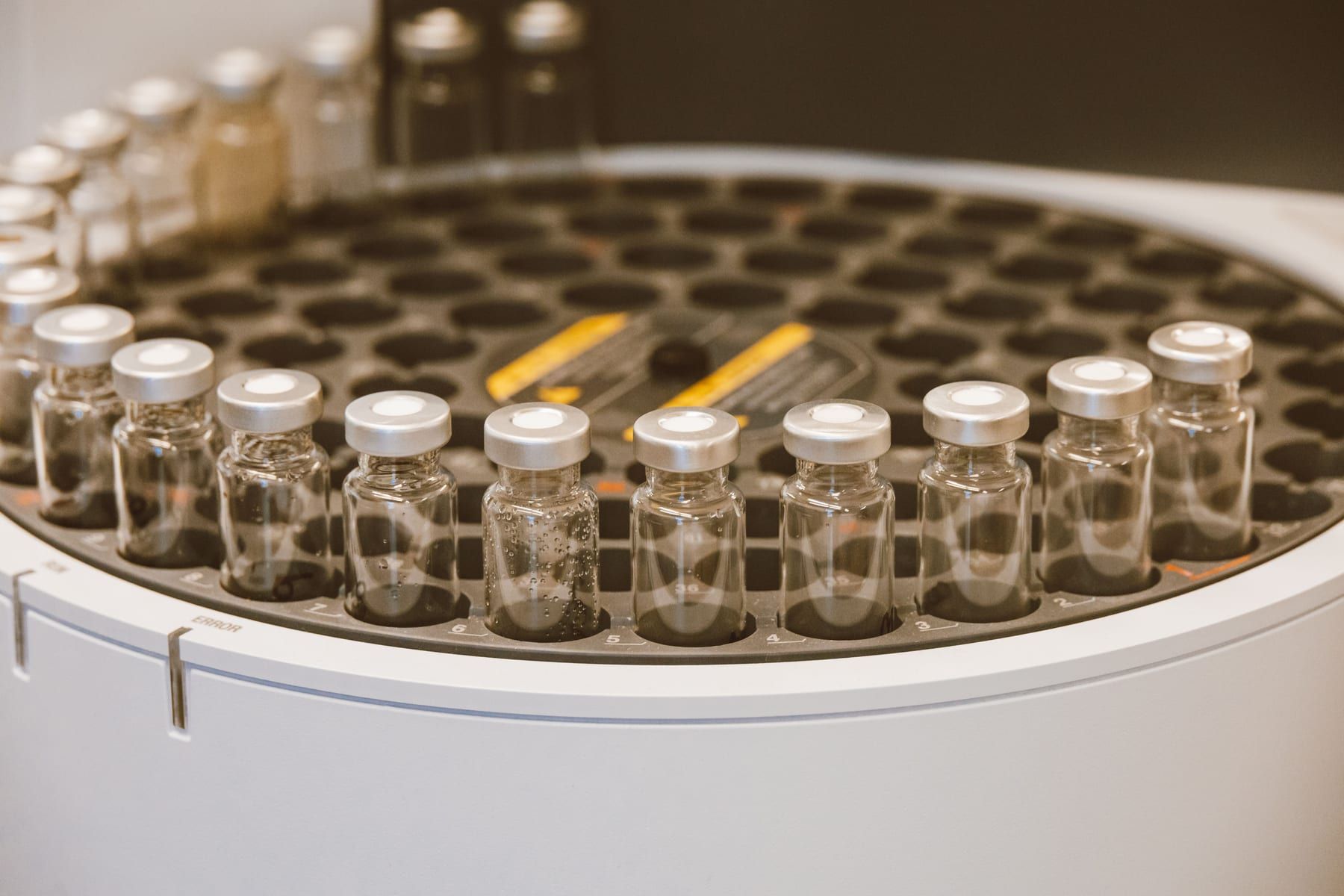
Capped sample vials in the carousel of an autosampler.
Photo: Jess Loiterton / Pexels
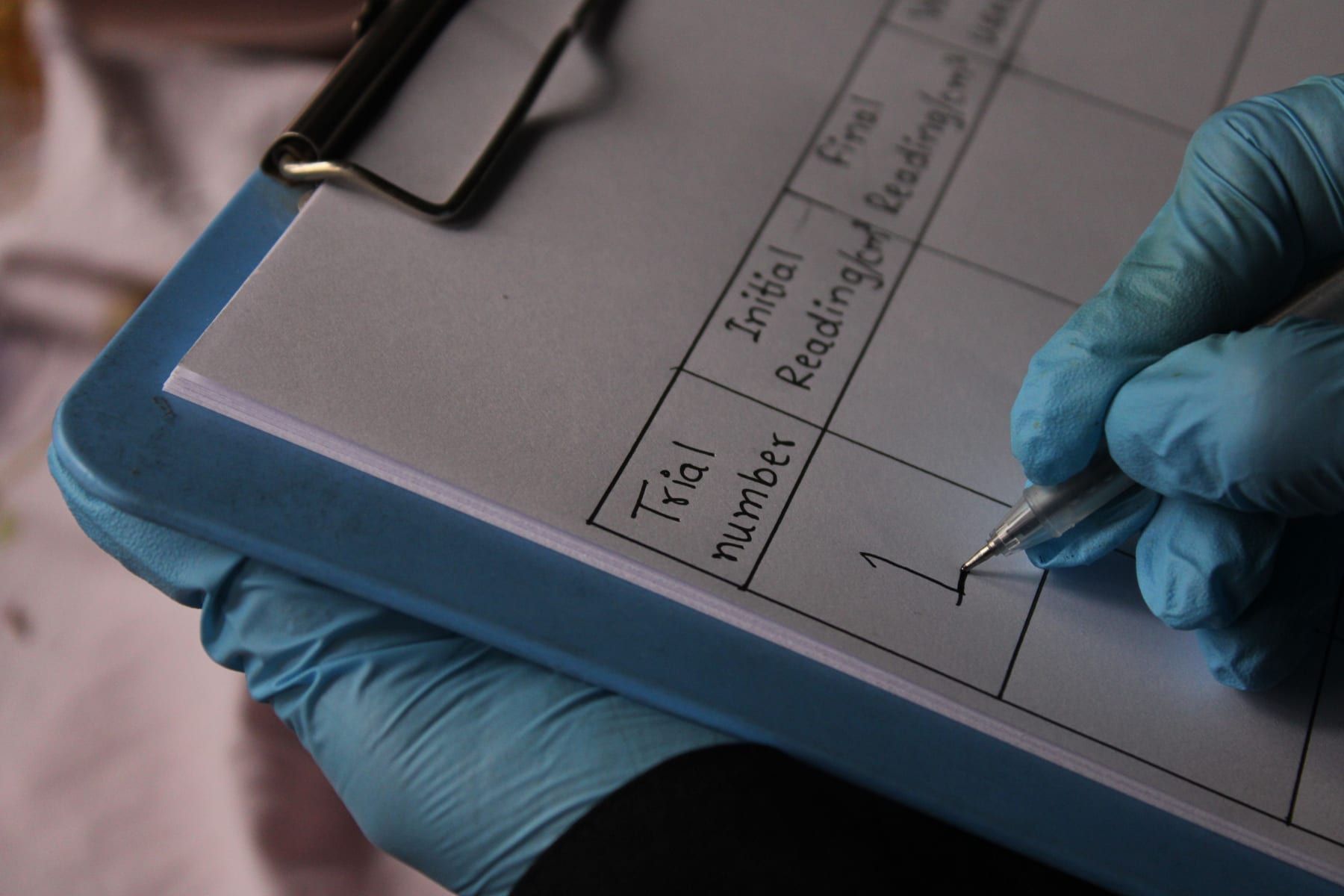
A gloved hand fills in a bench data sheet on a clipboard.
Photo: Jahra Tasfia Reza / Pexels

Instrument selection, sourcing and IQ/OQ

New or refurbished HPLC, GC-MS, LC-MS/MS and ICP-MS systems, specified against your test menu and throughput. We compare quotes line by line, get service and warranty terms in writing before you buy, and source the standards, consumables and glassware to run them. When the system arrives, we install it and complete the IQ/OQ.

Explore instruments & methods

SOP systems

Complete SOP sets for every test your state requires, written to your instruments instead of copied from a template, and taught to the people who run them. Existing SOPs can be reviewed and rewritten to match the bench.

Explore accreditation & compliance

How it startsCall → assessment → proposal

Three steps, and you decide at each one.

No retainer to sign before anyone has looked at your lab. Each step ends with something you can use, whether or not you take the next one.

  1. A 30-minute call

    Free

    Bring the instrument, dataset or audit that’s in the way. You talk with the people who will do the work, not a sales team. No pitch deck.

  2. A proposal for the bigger work

    Fixed scope or ongoing

    A fixed-scope project or ongoing support, priced from what the assessment found. Nothing starts until you’ve read it.

QuestionsThe ones lab directors ask first

Cost, timing, travel and what stays confidential.

What does it cost?

The first call is free. The readiness assessment is a fixed fee, quoted on the call once we know your scope. Everything after that is a written proposal, a fixed-scope project or ongoing support, priced before any work starts.

Do you work remotely or on site?

Both. Data, LIMS and document work runs remotely. Instrument troubleshooting, training and assessment walk-throughs often go better on site, and we travel for them. Home base: Colorado, working with labs across the US.

Which instruments and LIMS do you work with?

GC-FID, GC-MS, HPLC, LC-MS/MS and ICP-MS: the instruments behind potency, terpenes, residual solvents, pesticides, mycotoxins and heavy metals. On the software side we start from the LIMS you already run and work on the data flow around it: instrument exports, calculations, approvals and the COA.

How long does an engagement take?

The call is 30 minutes. The assessment turnaround is agreed on the call. Projects are scoped in the proposal, and when an assessment date is fixed, we plan backward from it, even when that date is close.

See the Michigan rescue

What does the readiness assessment contain?

A written report: every gap between your lab and a clean result or audit, the evidence behind each finding, the fix, and the order to do them in. It covers ISO 17025 and your state’s testing rules, your instruments and methods, and how data moves from instrument to COA.

Will you keep our data and our clients confidential?

Yes. Your data, SOPs and results stay yours. We’ll sign your NDA before anything changes hands, and our case studies don’t name a lab without its permission.

Start with one problem

Where does a result get stuck in your lab?

Tell us on a 30-minute call. We’ll say which of these offers fits, or whether none of them does.