BlogAccreditation & compliance
The Importance of Cannabis Testing: Ensuring Quality and Safety in Cannabis Consumption
Published
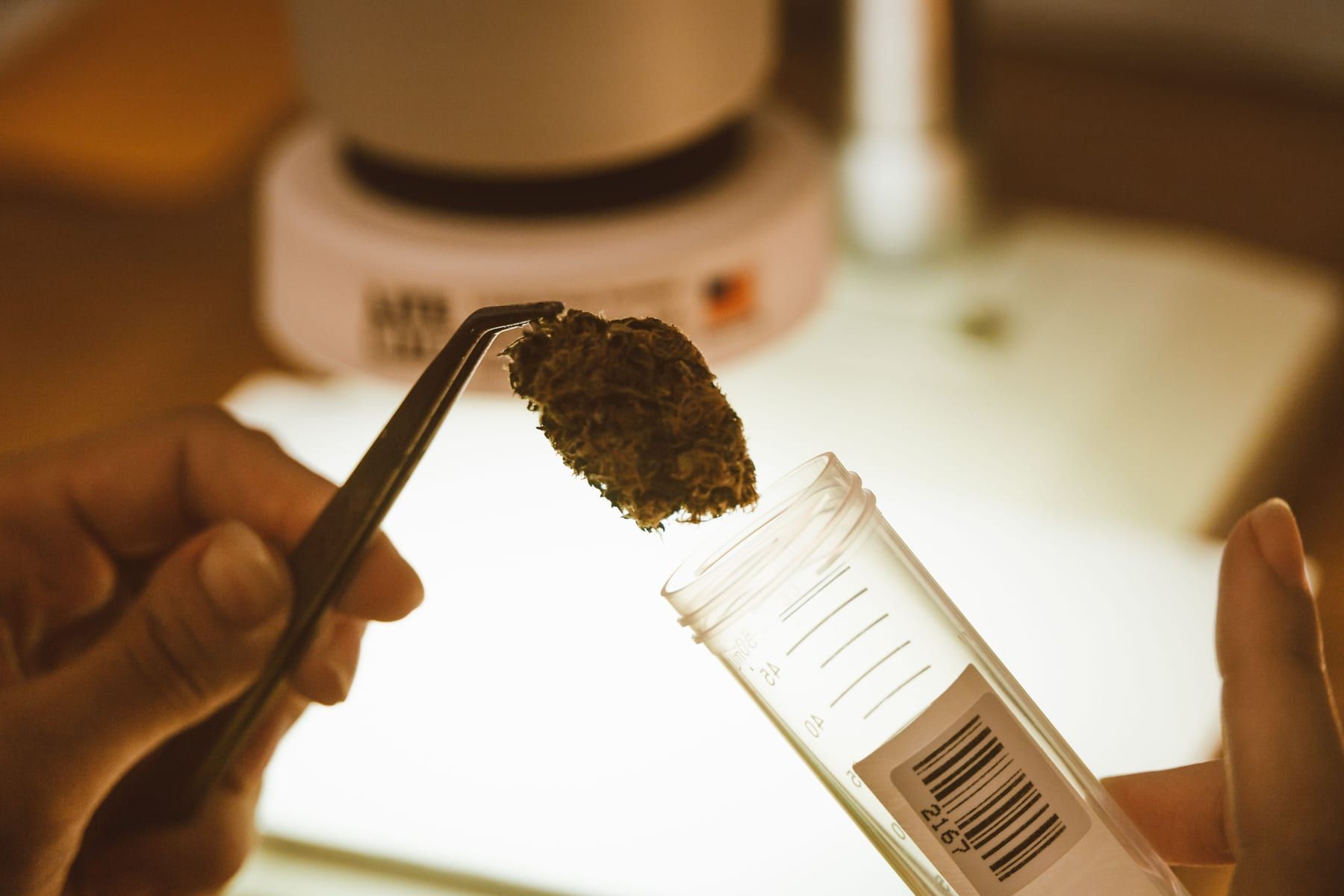
As the cannabis industry grows, so does the job of making sure its products are safe and labeled honestly. This post covers the main types of cannabis testing (potency, pesticides, microbiology and residual solvents) and why they matter: consumer safety, regulatory compliance, quality assurance and product development.
Types of cannabis tests
-
Potency testing measures cannabinoids such as THC and CBD. Different strains and products carry very different levels, so potency is how people judge a product’s strength and effects. It’s run by high-performance liquid chromatography (HPLC). Gas chromatography (GC) can measure cannabinoids too, but its hot inlet converts THCA to THC, so it can only report total THC (7 CFR 990.1). Our post on potency methods compares the options.
-
Pesticide testing detects harmful pesticides. Cannabis plants are susceptible to pests, and some growers use pesticides to protect their crops, but residues can harm the people who consume the product. Pesticides are run by liquid and gas chromatography with tandem mass spectrometry (LC-MS/MS and GC-MS/MS); several pesticides on state lists ionize poorly by LC-MS/MS and are better handled by GC-MS/MS.
-
Microbiological testing checks for harmful bacteria, mold and yeast. They can thrive in the conditions cannabis is grown and processed in, and they can make people sick. Labs test with the polymerase chain reaction (PCR) or by culturing on agar plates.
-
Residual solvent testing detects solvents left over from extraction, such as butane or ethanol. They can remain in the final product, and consuming them poses health risks. Labs run residual solvents by gas chromatography, most often with headspace sampling (HS-GC).
-
Other tests. Depending on the state, the panel can also include heavy metals, mycotoxins, moisture content and water activity, and foreign material. California requires all of them (Cal. Code Regs. tit. 4, §15714). See what your state requires in our state regulations explorer, and when the rules still leave questions, that’s our accreditation and compliance work.
Why testing matters
Testing is how people know the potency, purity and safety of the cannabis they consume. Four reasons stand out.
-
Consumer safety. Untested or poorly tested products can carry pesticides, microbes or residual solvents. These cause the most harm to vulnerable people, such as patients with compromised immune systems or respiratory conditions. Proper testing keeps those products off the shelf.
-
Quality assurance. Testing keeps products consistent in potency and purity. That matters most to medical patients who rely on consistent doses, and it protects the reputation of every business that makes a reliable product.
-
Regulatory compliance. In many jurisdictions testing is required by law, so products meet set safety and quality standards before sale. Compliance avoids legal penalties and keeps a business credible. Hemp-derived products answer to federal hemp law as well, and its definition changes on November 12 and December 11, 2026: see our post on testing regulations.
-
Product development. Testing shows growers and manufacturers the characteristics of different strains, helps them tune cultivation and processing, and supports the development of new products.
Potency, residual solvent, pesticide and microbial testing protect consumers, keep businesses compliant, and hold product quality where it should be. Don’t compromise on the integrity of your testing: good chemistry is what a sustainable cannabis business runs on. If you run a lab and want to know how ready it is for its next audit, start the readiness check.